


How to Spot a Fake One Piece Card: A 5-Step Authentication Guide
For collectors of the premium Japanese TCG, knowing the tell-tale signs of a fake OPCG card is your best defense. Follow this step-by-step guide from Rare Cards Japan to learn how to spot fake One Piece cards and ensure your collection is authentic.
The single most reliable protection is buying a factory-sealed One Piece case from a source you trust.
1. The Critical Color Check: Look at the Back!
This is often the easiest way to catch a fake One Piece card. The official card back is printed with a very specific, balanced color palette that counterfeiters consistently fail to replicate.
- The Real Deal: A genuine Japanese OPCG card back has rich, vibrant, and consistent colors.
- The Fake Tell: Many OPCG counterfeits have a noticeable purple tint or a dark, muddy shade. This simple color difference is a massive red flag for Japanese TCG authentication.

2. The Feel Test: Card Stock and Texture
The physical quality of a genuine card is incredibly difficult for counterfeiters to match. Bandai uses specific, high-quality card stock.
A real One Piece card should feel firm and have a certain weight. If it feels flimsy, too thin, or too thick, it might be a fake.
For high-rarity cards (like Secret Rares or Alternate Arts), feel for a subtle, intentional textured finish. A rare card that should have texture but feels smooth is a major warning sign.
Buy sealed Japanese One Piece direct from official distributors →
3. Print Quality: Is the Text Fuzzy?
Take a close look at the details. Genuine cards are printed with incredible precision.
- Authentic Clarity: The text should be razor-sharp and perfectly clear.
- Counterfeit Blur: Fakes often have fuzzy or blurry text and artwork, a sign of low-resolution printing.

4. The Holofoil and Shine Factor
The way a card shines is another major giveaway on valuable foil cards.
- Premium Shine: The holofoil on a real card is uniform, subtle, and adds a controlled sparkle.
- Overly Shiny Fakes: Their foil finish is often too shiny or glossy, making the card look cheap, almost like a sticker.

5. Advanced Check: The Embossed Stamp
For many valuable modern cards, Bandai includes a small, clear, embossed stamp on the card face.
While not on every card (especially older sets), many high-rarity cards from OP-05 onwards have it. If a modern, high-value card is missing this stamp, or the stamp is poorly defined, it's likely a fake.

Protect Your One Piece Collection with Confidence
Knowing these five simple checks—color, feel, print, shine, and stamp—is your best defense against TCG scams and ensures your collection is 100% authentic. Don't let counterfeiters steal your joy!
Ready to expand your collection with 100% authentic Japanese OPCG cards? Don't take chances with fakes. Shop our trusted selection of Japanese One Piece Card Game products and own the real treasure.
Frequently Asked Questions (FAQ)
What is the most common sign of a fake One Piece card?
The most common sign is a noticeable purple or dark tint on the back of the card, which is a major flaw in many OPCG counterfeits, or fuzzy, low-resolution text.
Should a real One Piece card feel smooth?
While common cards are smooth, high-rarity cards (SR, SEC, Alternate Art) should have a subtle, intentional textured finish (embossing). If a rare card feels completely smooth, it is a strong indicator of a fake.
Where can I buy 100% authentic Japanese One Piece cards?
To guarantee authenticity, always purchase from reputable, established dealers like Rare Cards Japan. We specialize in sourcing and authenticating Japanese TCG products through official distributors.
Skip the fakes entirely: buy sealed
Every sealed product we stock comes direct from official distributors, so what is inside the box has never been touched.

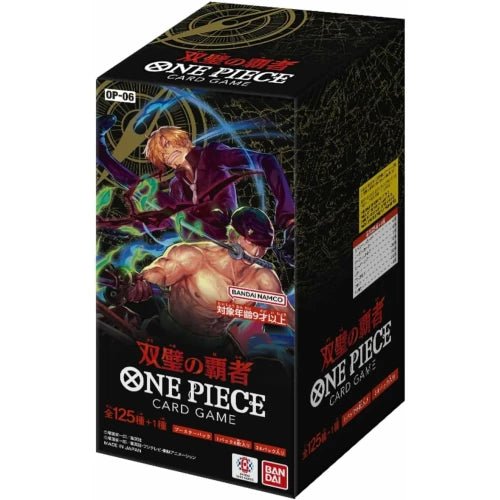
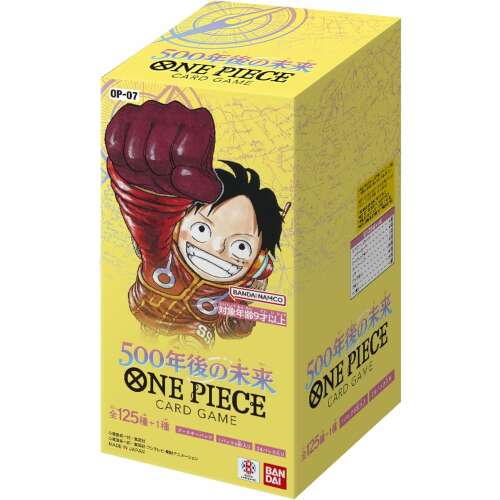
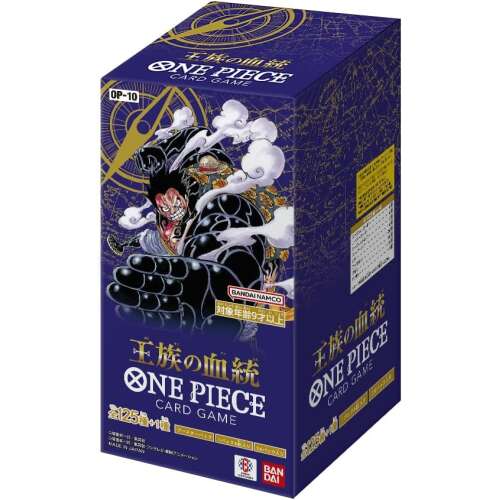
![[PRE - ORDER] EB - 04 Egghead Crisis (Japanese) – Booster Box - Rare Cards Japan](http://rarecardsjapan.com/cdn/shop/files/pre-order-eb-04-egghead-crisis-japanese-booster-box-2022452.webp?v=1768068605&width=600)
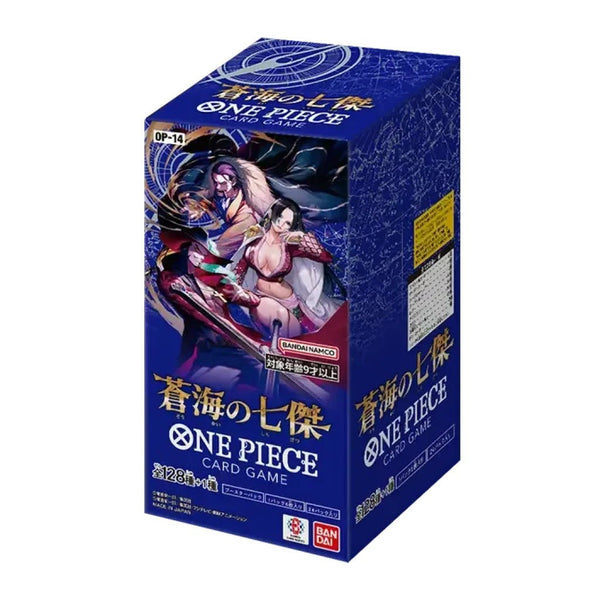
![[PRE - ORDER] OP - 15 Adventure on KAMI’s Island Sealed Case (Japanese) – Sealed Case (12 Boxes) - Rare Cards Japan](http://rarecardsjapan.com/cdn/shop/files/pre-order-op-15-adventure-on-kamis-island-sealed-case-japanese-sealed-case-12-boxes-5459691.webp?v=1770637265&width=600)
![FB - 02 Blazing Aura [Fusion World] (Japanese) – Dragon Ball Booster Box - Rare Cards Japan](http://rarecardsjapan.com/cdn/shop/files/fb-02-blazing-aura-fusion-world-japanese-dragon-ball-booster-box-3432372.webp?v=1772377326&width=600)
![FB - 09 Dual Evolution [Fusion World] (Japanese) – Dragon Ball Sealed Case (12 Boxes) - Rare Cards Japan](http://rarecardsjapan.com/cdn/shop/files/fb-09-dual-evolution-fusion-world-japanese-dragon-ball-sealed-case-12-boxes-6916972.jpg?v=1773703085&width=600)