


Why One Piece TCG Prices Stay High: The Supply and Demand Reality Collectors Need to Understand
Why One Piece TCG Prices Stay High: Key Takeaways
Production bottleneck: Bandai's limited printing capacity caps supply
Multi-franchise competition: One Piece competes with Dragon Ball, Digimon for production slots
Global demand: Sustained interest across Japan, North America, Europe, Asia-Pacific
Reprint limitations: Reprints compete with new releases for capacity
Collector strategy: Buy strategically, pre-order sealed, focus on Japanese product
Why One Piece TCG Prices Stay High: The Supply and Demand Reality Collectors Need to Understand
The One Piece Card Game has become one of the fastest-growing trading card games in the world, attracting collectors, competitive players, and anime fans in equal measure. But with this explosive growth comes a question that frustrates many buyers: why are booster box prices and high-end singles still so expensive, and when will they drop?
The uncomfortable truth is that the current market conditions suggest high prices are here to stay. Understanding why requires looking at the economics behind production limits, global demand patterns, and the strategic challenges Bandai faces in balancing supply with community expectations.

The Core Problem: Bandai's Production Capacity Is Maxed Out
One Piece TCG prices remain elevated primarily because Bandai cannot print enough product to meet global demand. This is not a temporary bottleneck or a logistical hiccup. It is a structural constraint built into how Bandai operates as a company.
Bandai does not manufacture One Piece cards in isolation. The same printing facilities that produce One Piece TCG also handle other major franchises like the Dragon Ball Super Card Game, Digimon Card Game, and various collectible products across Bandai's portfolio. With a finite number of high-quality printing presses and strict production schedules, there is a hard ceiling on how many One Piece booster boxes can be printed each quarter, regardless of how high demand climbs.
This production bottleneck creates a supply shortage that cannot be solved by simply "printing more cards." Every additional One Piece set printed means reducing capacity for other games, delaying future releases, or sacrificing quality control standards. For a company managing multiple billion-dollar franchises, these trade-offs are not trivial.
The economic reality
When supply is capped and demand keeps rising, prices stay high. This is basic supply and demand economics, and it explains why waiting for a major price correction may be futile.
Global Demand Shows No Signs of Slowing Down
On the demand side, the One Piece TCG is experiencing sustained, multi-region growth that few trading card games have matched in recent years. Unlike games with niche appeal, One Piece benefits from decades of manga and anime popularity, meaning millions of potential players worldwide already have an emotional connection to the characters and storylines.
This translates into three overlapping waves of demand:
- Existing TCG players who see One Piece as a competitive, well-designed game with strong tournament support
- One Piece anime and manga fans who are entering the TCG space for the first time, driven by their love of the franchise
- Collectors and investors who recognize that sealed product and rare singles from popular sets hold long-term value
Crucially, this demand is not regional. Japan, North America, Europe, and Asia-Pacific markets all show strong, sustained interest. When a new booster set releases, it sells out quickly across multiple continents, which keeps secondary market prices elevated and makes restocking a constant challenge for retailers.
Unlike trends that fade after a few months, the One Piece TCG is built on a franchise with 25+ years of cultural momentum. That kind of foundation does not disappear, which means demand is unlikely to collapse anytime soon.
Why Reprints Won't Solve the Pricing Problem
Many collectors hope that Bandai will reprint older, high-demand sets like OP-01 Romance Dawn, OP-02 Paramount War, and OP-05 Awakening of the New Era to bring prices down. While reprints are possible, they come with significant limitations and risks that make them an imperfect solution.
Reprints Compete with New Releases
Reprinting an older set requires allocating production capacity that would otherwise go toward new releases. With upcoming sets already scheduled months in advance and new mechanics, leaders, and story arcs driving ongoing interest, Bandai faces a difficult choice: reprint older sets to satisfy existing collectors, or focus on new sets to maintain competitive balance and keep the game fresh.
In most cases, new releases take priority because they drive tournament play, sustain community engagement, and generate revenue from both collectors and competitive players. This means reprints happen slowly, in limited quantities, and often fail to meet the full scope of demand.
Reprints Risk Devaluing Collections
Large-scale reprints can also harm collector confidence. Players who purchased early booster boxes at premium prices or invested in high-end singles from limited releases may see their collections lose significant value if Bandai floods the market with reprints. This creates tension within the community and can undermine long-term trust in sealed product as a store of value.
While accessibility is important, Bandai must balance it against the interests of early supporters who helped build the game's initial momentum.
Quality Control Concerns with Outsourced Printing
If demand pressure becomes too intense, Bandai could theoretically outsource printing to additional facilities or third-party manufacturers to increase capacity. However, this carries serious risks. Other trading card games that have outsourced production have experienced noticeable declines in print quality, inconsistent card stock, and centering issues that frustrate collectors and hurt grading potential.
For a game as visually focused as One Piece TCG, where premium alternate art cards and manga rares command high prices precisely because of their quality, any decline in production standards could damage the brand long-term. Bandai appears reluctant to take that risk, which means production capacity remains tightly controlled.
What This Means for Collectors and Players
Given these structural realities, waiting for a major price correction is unlikely to be a successful strategy. The combination of capped production, sustained global demand, and limited reprint capacity creates a market environment where prices remain elevated across booster boxes, sealed cases, and high-demand singles.
Instead of waiting for prices to drop, collectors and players should focus on:
- Buying strategically: prioritize sets and singles that align with your play style, favorite characters, or long-term collection goals rather than chasing every release
- Pre-ordering sealed product: securing booster boxes and cases at or near MSRP through pre-orders is one of the most reliable ways to avoid inflated secondary market prices
- Recognizing value in Japanese product: Japanese booster boxes often offer better value per card, faster access to new sets, and exclusive promos that English releases do not include
- Setting a budget and sticking to it: impulse buying in a high-price environment leads to overspending and regret. Define what you want from the hobby and allocate your budget accordingly
Shop Authentic Japanese One Piece TCG
Secure factory-sealed Japanese One Piece booster boxes and cases at competitive prices.
Browse Japanese One Piece TCGPre-orders available • Worldwide shipping • Authentic sealed product
The Bottom Line: High Prices Reflect the Game's Success
While expensive booster boxes and costly chase cards can feel frustrating, they are ultimately a reflection of the One Piece TCG's phenomenal success. The game has attracted a passionate, engaged community that spans the globe, and the limited supply relative to demand is a direct result of that popularity.
Rather than viewing high prices as a barrier, many collectors see them as validation: the One Piece TCG is not a passing trend. It is a well-designed, competitively viable game backed by one of the most beloved franchises in modern entertainment. For those willing to approach the market strategically, the current environment offers opportunities to build meaningful collections and enjoy a game that shows no signs of slowing down.
The high seas of the One Piece TCG market may be expensive to navigate, but for those who love the game, the journey is worth it.
Frequently Asked Questions
Why are One Piece TCG booster boxes so expensive?
One Piece TCG booster box prices remain high due to Bandai's limited production capacity. Bandai prints multiple TCG franchises using the same facilities, creating a supply bottleneck. When supply is capped and global demand continues rising, prices stay elevated.
Will Bandai reprint older One Piece TCG sets to lower prices?
Reprints are possible but limited. Bandai must balance reprinting older sets like OP-01 through OP-05 with producing new releases. Reprints also compete for the same production capacity and could devalue early collections if done at scale.
Is One Piece TCG demand declining?
No. One Piece TCG demand remains strong globally across Japan, North America, Europe, and Asia-Pacific. The game attracts TCG players, anime fans, and collectors simultaneously, creating sustained multi-region demand that shows no signs of slowing.
Should I wait for One Piece TCG prices to drop before buying?
Waiting for major price corrections may not be effective. Given production bottlenecks and sustained demand, prices are likely to remain elevated. Strategic buying through pre-orders, focusing on Japanese product, and setting budgets are more practical approaches.
High prices reflect success. Buy strategically, collect meaningfully, and enjoy the journey.
Happy collecting,
The Team at Rare Cards Japan

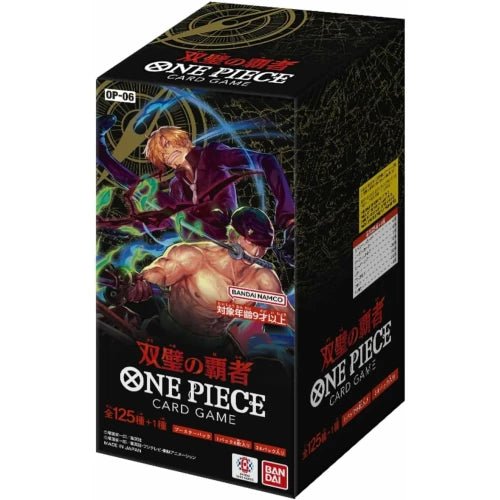
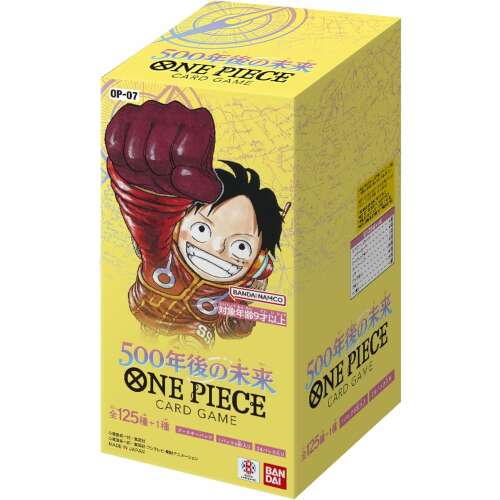
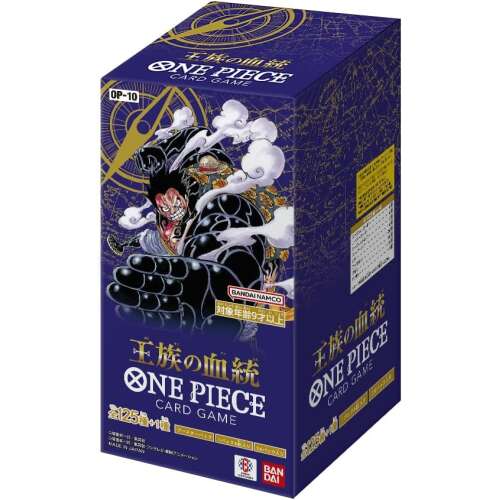
![[PRE - ORDER] EB - 04 Egghead Crisis (Japanese) – Booster Box - Rare Cards Japan](http://rarecardsjapan.com/cdn/shop/files/pre-order-eb-04-egghead-crisis-japanese-booster-box-2022452.webp?v=1768068605&width=600)
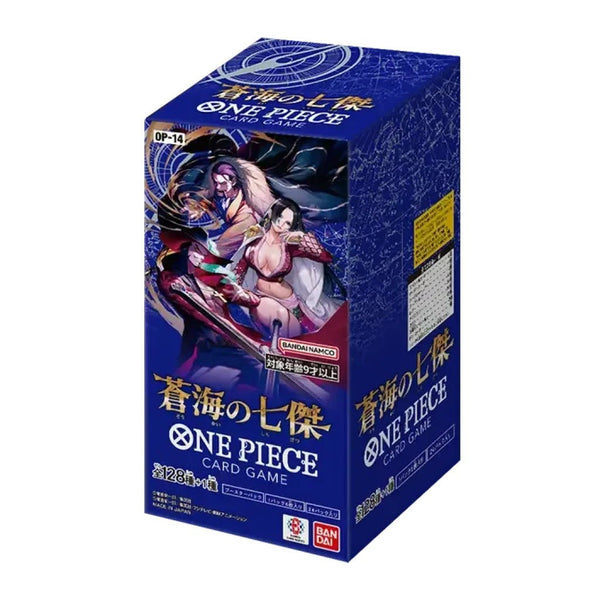
![[PRE - ORDER] OP - 15 Adventure on KAMI’s Island Sealed Case (Japanese) – Sealed Case (12 Boxes) - Rare Cards Japan](http://rarecardsjapan.com/cdn/shop/files/pre-order-op-15-adventure-on-kamis-island-sealed-case-japanese-sealed-case-12-boxes-5459691.webp?v=1770637265&width=600)

![FB - 02 Blazing Aura [Fusion World] (Japanese) – Dragon Ball Booster Box - Rare Cards Japan](http://rarecardsjapan.com/cdn/shop/files/fb-02-blazing-aura-fusion-world-japanese-dragon-ball-booster-box-3432372.webp?v=1772377326&width=600)
![FB - 09 Dual Evolution [Fusion World] (Japanese) – Dragon Ball Sealed Case (12 Boxes) - Rare Cards Japan](http://rarecardsjapan.com/cdn/shop/files/fb-09-dual-evolution-fusion-world-japanese-dragon-ball-sealed-case-12-boxes-6916972.jpg?v=1773703085&width=600)